Every SMS hides a transaction more valuable than its 160 characters. This phrase captures how Application-to-Person (A2P) messaging underpins billions of dollars in commerce and critical services daily.


Every SMS hides a transaction more valuable than its 160 characters. This phrase captures how Application-to-Person (A2P) messaging underpins billions of dollars in commerce and critical services daily.

Open source has evolved from a developer’s philosophy into a cornerstone of enterprise innovation. Today, 96% of commercial codebases rely on open-source components that power the world’s digital infrastructure. Discover how open ecosystems drive agility, transparency, and sustainable growth — transforming software from code into shared value.

For more than three decades, SMS has been the backbone of mobile communication. From the first “Merry Christmas” text in 1992 to today’s enterprise-scale messaging campaigns, traditional telco messaging has proved remarkably resilient. Yet the past decade has witnessed the meteoric rise of Over-The-Top (OTT) applications —WhatsApp, Viber, Telegram, WeChat, and many others — that bypass telco infrastructure, offering richer, app-based messaging experiences.

Madrid became the stage for a milestone chapter in Cytech’s journey this September. From the 16th to the 18th of September 2025, our team joined the global messaging community at the Wholesale World Congress (WWC), while on the 16th of September we proudly stood among the industry’s finest at the 3rd Antonio Meucci Awards (AMA). It was a week that combined innovation, recognition, and the reaffirmation of Cytech’s commitment to shaping the future of telecom software.
Software, for most people means lines of code, frameworks, and technologies. Yet in reality, the element that makes the real difference is not only technical excellence but trust. A piece of software may be well-written and fast, but if it does not inspire confidence, it will not survive in the long run.

The telecom industry is a fast-paced market where agility is key. Cloud messaging for startups is a game-changer for emerging players, offering a secret weapon to compete with established giants. This article explains how these tools provide instant scalability, global reach, and significant cost savings, freeing startups to focus on what matters most: innovation and growth.

August is the month when life slows down, but digital innovation never hits “pause.” The rise of Low-Code and No-Code (LCNC) platforms is reshaping the software landscape, allowing anyone—from seasoned professionals to non-technical users—to create applications with simple drag-and-drop tools. These platforms democratize innovation, dramatically cut costs, and accelerate project timelines from months to days. While they offer immense benefits, businesses must navigate challenges like customization limits and the risks of "shadow IT." This article explores why LCNC is a game-changer and how it's empowering a new generation of creators.

August may slow life down, but telecom and mobile messaging keep moving. Discover how networks adapt during the holiday season to keep travelers connected with timely, personalized communications.
The telecommunications sector is undergoing a fundamental restructuring—abandoning closed, proprietary architectures and embracing open, interoperable, and software-defined ecosystems. At the heart of this transformation is Open RAN (Radio Access Network): a technological and strategic approach that aims not only to change how networks are built and operated but also to redefine power structures, innovation models,...
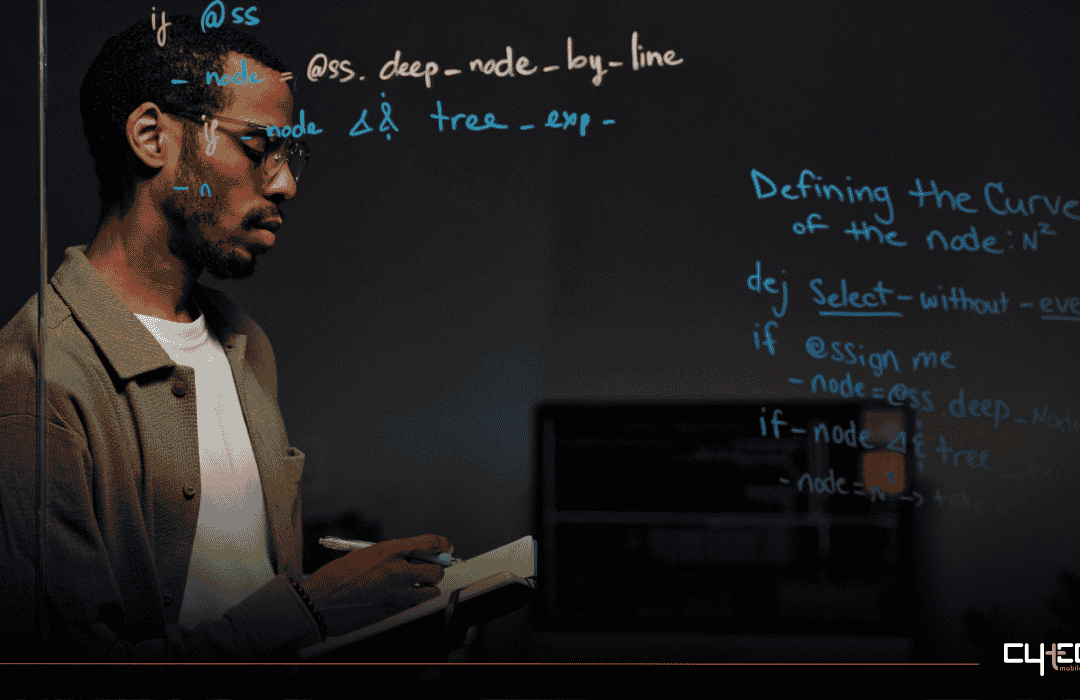
In the world of technology, one thing is certain: everything changes. In 2025, amidst breakthroughs in artificial intelligence, shifts toward cloud-native architectures, and growing demands for real efficiency, programming languages are not being left behind — they are evolving and transforming. Some well-known veterans are returning stronger than ever, while new, fresh contenders are claiming their share in this dynamic landscape. For developers and tech professionals — especially in sectors like telecom, SaaS, or AI — knowing which programming languages are in highest demand is more than trivia. It's a strategic advantage. Languages like Python continue to dominate due to their role in AI and data science, while JavaScript and TypeScript remain the pulse of the web. Meanwhile, emerging players like Rust (for safety and speed) and Mojo (designed for AI workloads) signal where the market is heading next.
Let’s work together
We are passionate about innovation, brilliant ideas and the execution that brings it all together in one beautiful experience. Contact us to find out more about us and how we can work together.